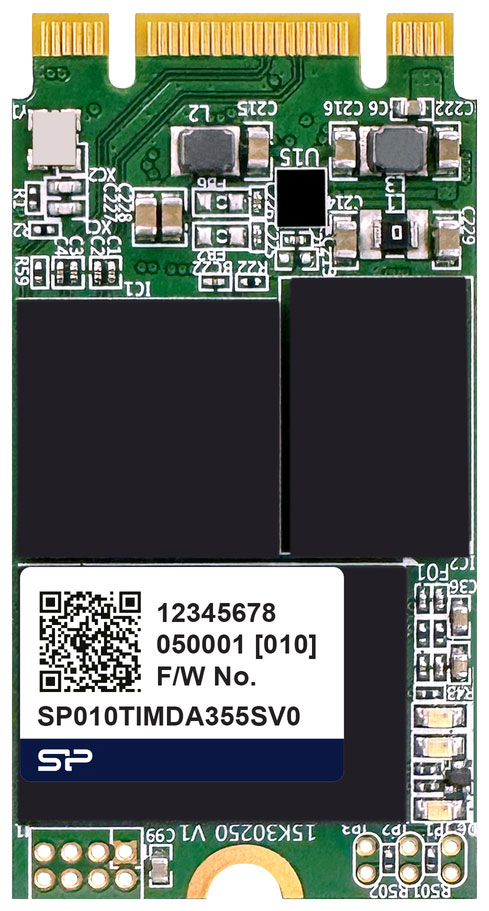
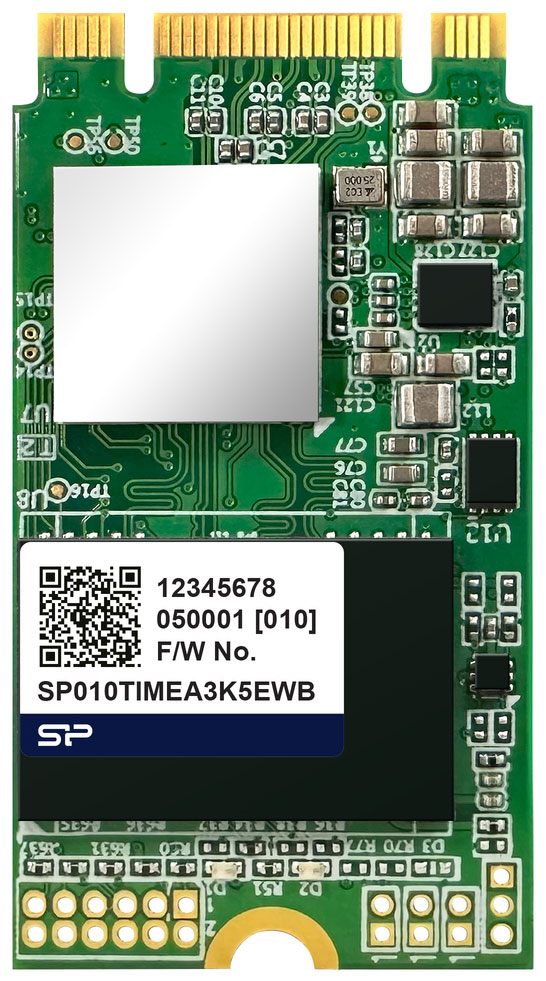
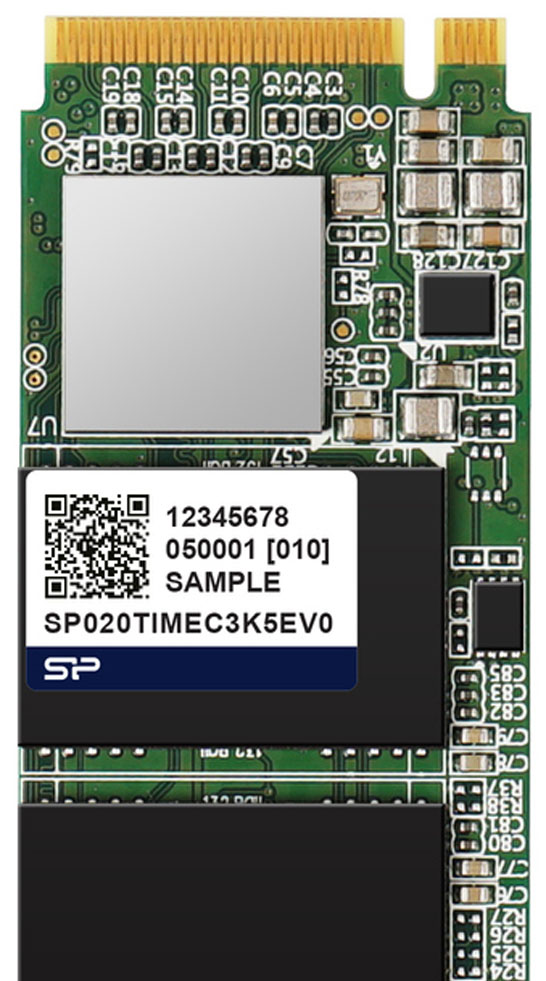
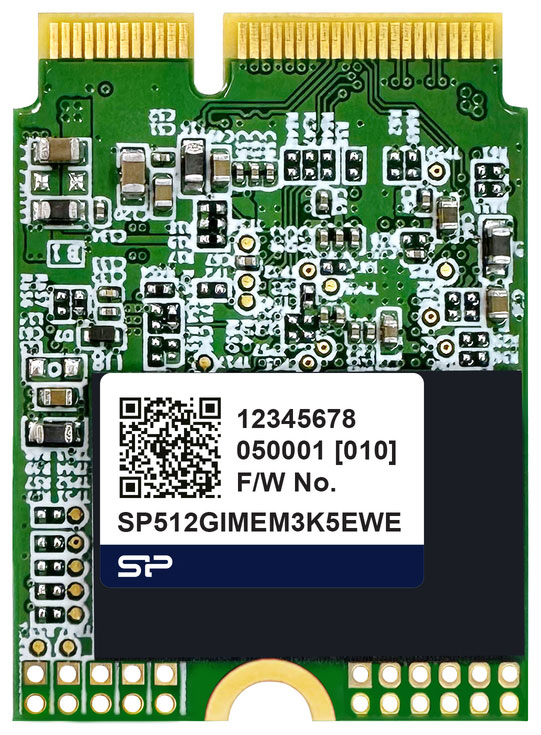
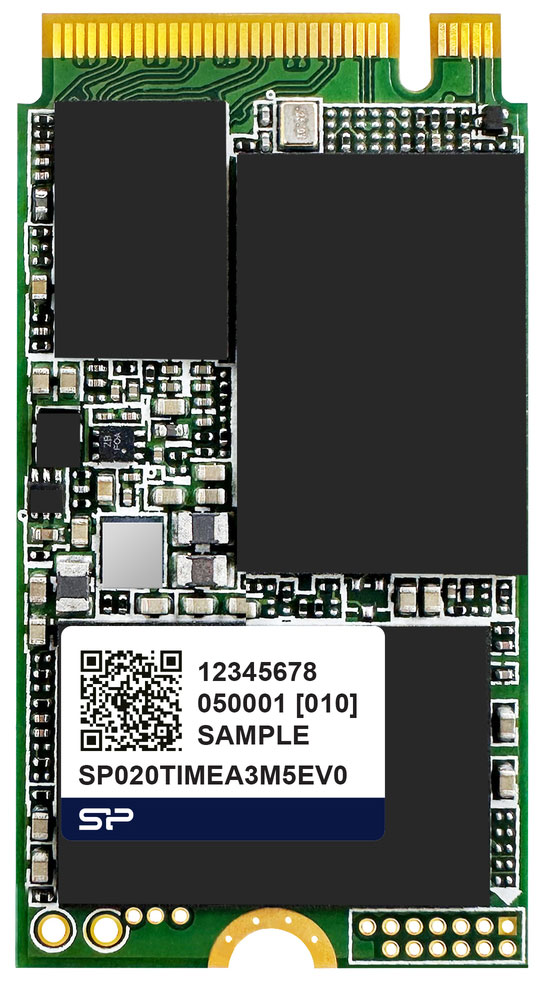
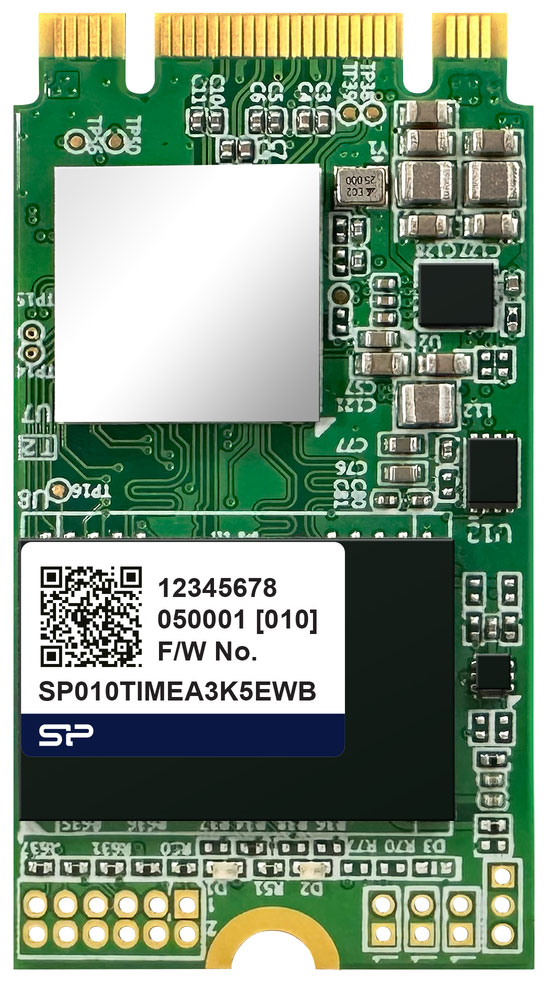
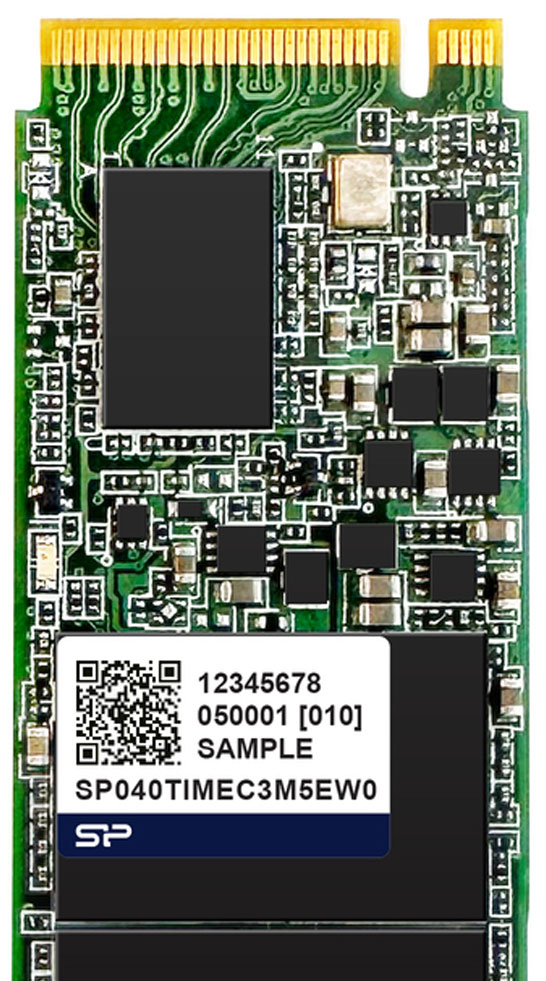
Industrial SSDs have become indispensable in modern industrial applications. Whether in automation, mechanical engineering, medical technology, or transportation – the demands on reliable, durable, and robust storage solutions are constantly increasing. In this article, you will learn everything important about Industrial Solid State Drives (SSDs): differences from standard SSDs, advantages, areas of application, key selection criteria, and services that are crucial for companies.
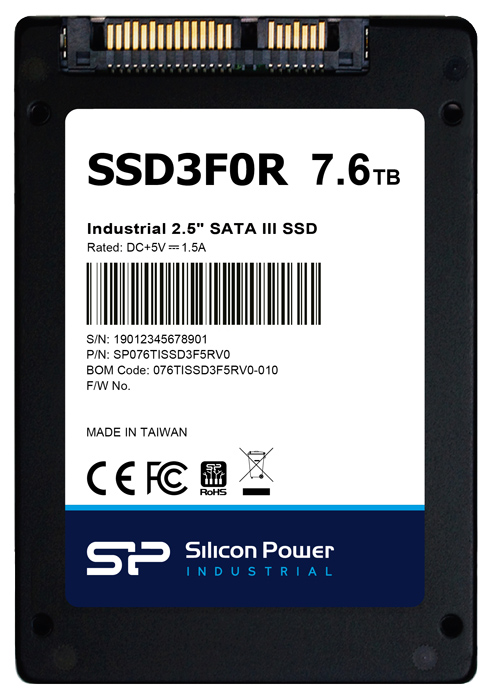
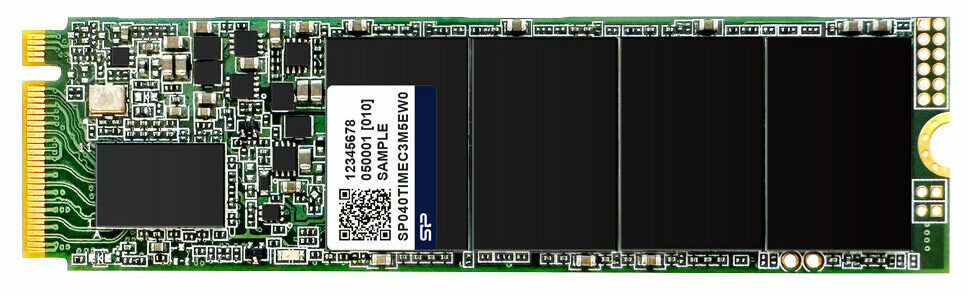
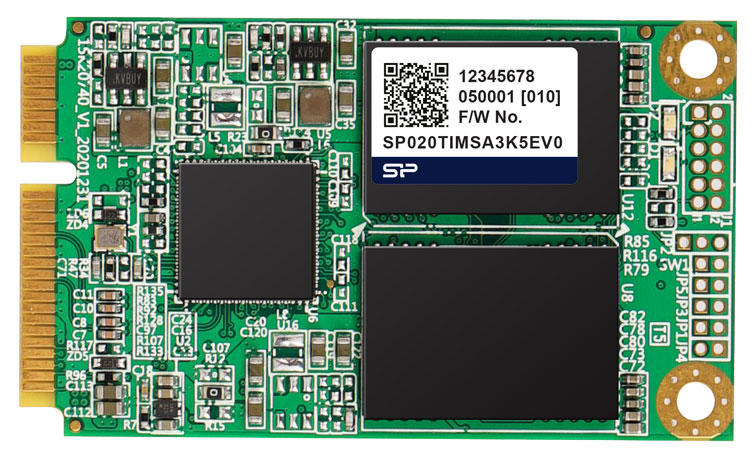
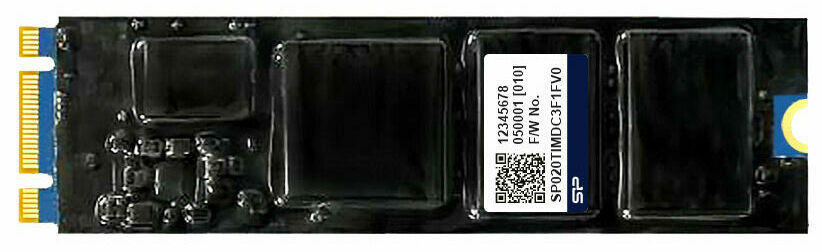
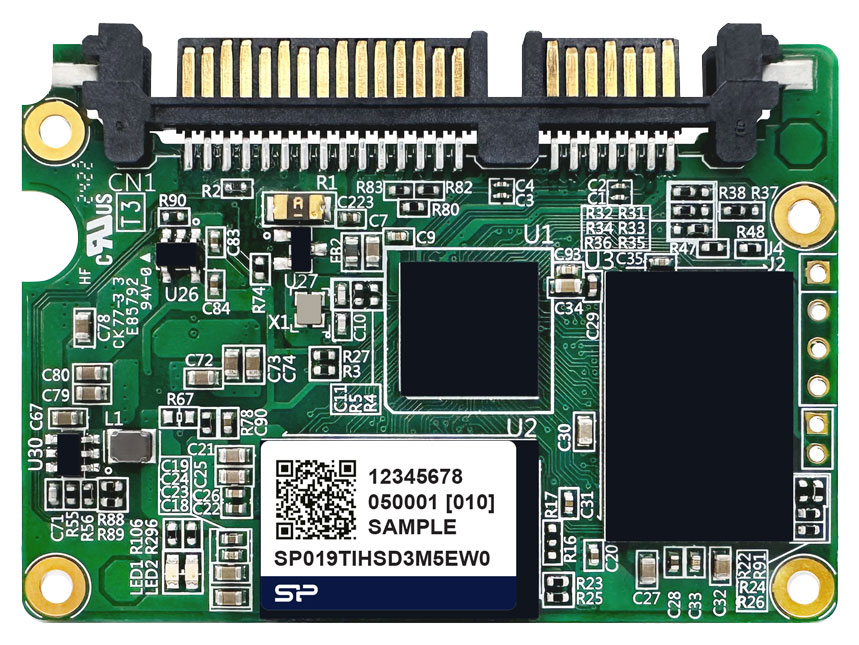
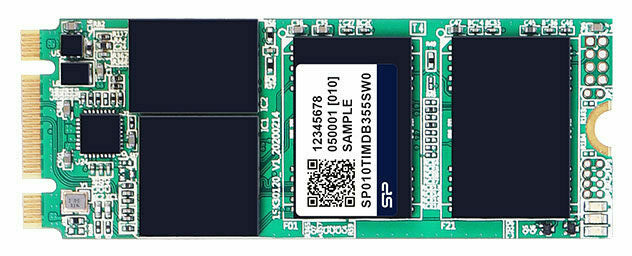
What is an Industrial SSD?
- Resistance to high and low temperatures
- High shock and vibration resistance
- Durable memory cells (e.g., SLC or pSLC NAND)
- Stable performance even in continuous operation
- Long-term product availability and support
Difference between Standard SSD and Industrial SSD
While standard SSDs are designed for end consumers such as laptops or desktop PCs, Industrial SSDs meet completely different requirements:
| Feature | Standard SSD | Industrial SSD |
| Temperature range | 0 °C to 70 °C | -40 °C to +85 °C |
| Lifespan | Optimized for consumers | Optimized for 24/7 continuous operation |
| Memory technology | often TLC/QLC NAND | SLC, pSLC or industrial-grade TLC |
| Availability | short cycles, fast model changes | Long-term availability, PCN/EOL notifications |
| Application area | PCs, notebooks, gaming | Industry, medical technology, embedded systems |
Advantages of Industrial SSDs
- Reliability: Minimized risk of data loss and failures.
- Durability: Specifically adapted to industrial workloads.
- Security: Support for features such as Power Loss Protection, wear-leveling, and error correction (ECC).
- Continuity: Long-term product availability, PCN and EOL notifications.
- Flexibility: Many form factors (M.2, mSATA, 2.5-inch, etc.) and interfaces (SATA, NVMe, PCIe).
- Service tools & apps: Modern industrial SSDs offer intelligent monitoring functions such as SMART health monitoring, allowing real-time drive condition monitoring – for higher reliability, planned maintenance, and longer lifespan.
Typical Areas of Application
- Mechanical engineering & automation: Data storage in control systems and production equipment
- Medical technology: Secure and fast storage of sensitive patient data
- Transportation: Onboard systems in rail, aviation, or vehicle technology
- Telecommunications & networks: Stable performance in data centers and edge devices
- Military & defense: Storage solutions that withstand extreme conditions
SMART-Health-Monitoring - Detect Failures Early
- Increased reliability - critical issues are identified before they lead to failure.
- Planned maintenance - SSDs can be replaced or reconfigured in time.
- Extended lifespan - optimal use of memory cells through continuous monitoring.
- Minimized downtime - production stoppages or system errors are effectively avoided.
What to Consider When Buying an Industrial SSD?
- Form factor and interface - does the SSD fit your system (e.g., M.2, mSATA, 2.5 inch, SATA, or NVMe)?
- Storage capacity - what amounts of data need to be stored reliably?
- Operating temperature - does your application require an extended temperature range?
- Data retention and lifespan - is the NAND technology used suitable for your requirements?
- Long-term availability - do you receive timely PCN/EOL notifications to plan successor products?
- Service & support - does the provider offer technical assistance and customized solutions?
Services for Industrial SSDs at phs-memory.com
- Planning security through PCN/EOL notifications
- Technical and commercial support - from initial consultation to after-sales
- Customized solutions - firmware, enclosure, label, serial numbers, capacity, and more
- Flexible delivery models - framework agreements, warehousing, and fast delivery
- Samples & qualification phase - support in selecting the right SSD for your application
FAQ: Frequently Asked Questions about Industrial SSDs
What is the difference between SLC, MLC, TLC, and pSLC?
SLC (Single Level Cell) offers the highest durability, while MLC and TLC provide more capacity per chip. pSLC is a compromise with improved durability at moderate storage density.
How long do Industrial SSDs last?
The lifespan depends on the NAND technology and the workload. Industrial SSDs are designed for high write cycles and years of continuous operation.
Can I use a standard SSD in an industrial application?
Theoretically yes – but practically it is risky. Standard SSDs are not designed for extreme temperatures, shock/vibration, or continuous heavy use.
Which interface is better: SATA or NVMe?
For maximum performance, NVMe over PCIe is suitable; for proven compatibility and stable long-term solutions, often SATA is preferred.
Is it possible to order samples of Industrial SSDs?
Yes. At phs-memory.com you can request sample SSDs for your projects. Our Industrial team supports you during the qualification and testing phase in selecting the appropriate SSD and ensures that the chosen solution is optimally suited to your application and workload. This helps prevent problems in practice later on and ensures the storage solution is reliably qualified.
Are Silicon Power Industrial SSDs RoHS and REACH compliant?
Yes, the Industrial SSDs manufactured by Silicon Power comply with all common environmental and safety standards, including RoHS (Restriction of Hazardous Substances) and REACH (Registration, Evaluation, Authorisation and Restriction of Chemicals). Additionally, depending on the manufacturer, other important certifications such as CE, FCC, or UL may be present, allowing the SSDs to be used worldwide in industrial applications.
Conclusion
Industrial SSDs are the first choice for companies that prioritize reliability, durability, and stability. Whether in manufacturing, medical technology, or transportation, they provide a secure foundation for data-intensive applications and contribute significantly to operational safety.
With the tailored solutions and services from phs-memory.com, you will find the right Industrial SSD for your requirements – reliable, flexible, and future-proof.